Recently, I watched two South Indian films, Bad Girl and The Girlfriend, and both, in very different ways, took me back to those red brick classrooms where I first read Virginia Woolf’s A Room of One’s Own.
The Girlfriend uses the book quite literally. It is the book that a professor suggests the protagonist write her literature review on. Bad Girl never mentions Woolf, but its climax feels like a far more honest articulation of her idea.
This is not a movie review. It is about what these films stirred in me.
In Bad Girl, the protagonist moves into a modest one-bedroom apartment. She sets up her life slowly, interacts with neighbours, builds routines, and figures things out. Nothing glamorous, nothing dramatic. That is probably why many women read the ending as happy, while many men saw it as sad.
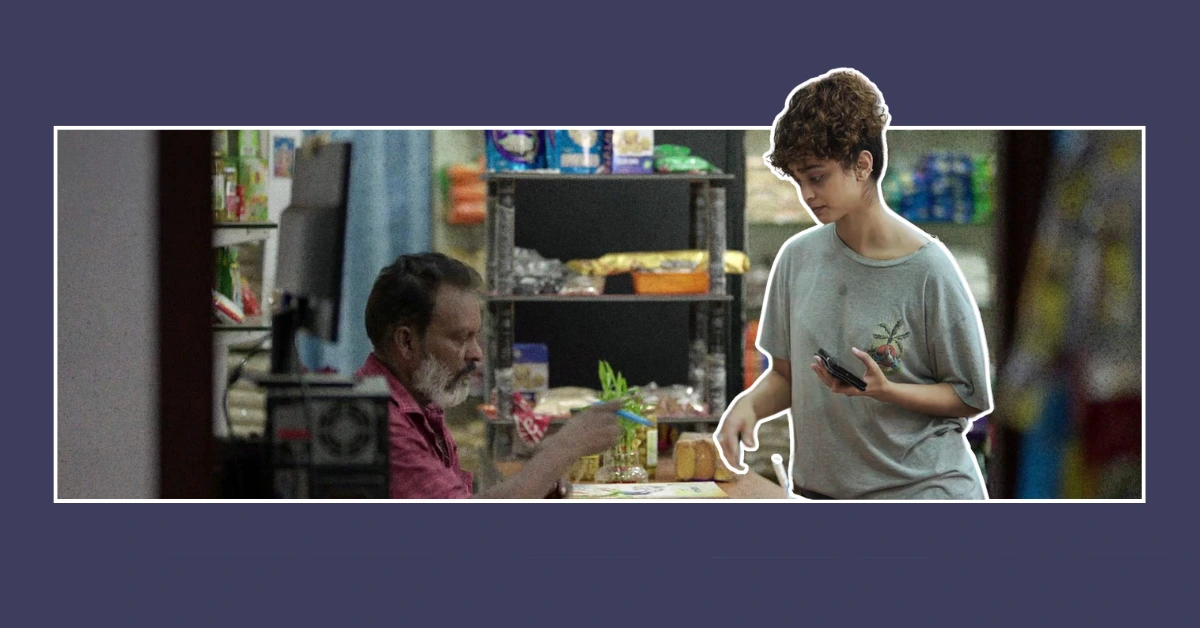
The climax is not loud. The camera lingers on the most mundane acts: organising a kitchen, buying vegetables, inhabiting a space on her own terms. It aligns quietly with Woolf’s thesis. Independence is not always revolutionary or performative. Sometimes, it is just a woman choosing how she lives.
That thought stayed with me longer than the film itself.
You might also like: June, Girls Will Be Girls, Bad Girl – Rewriting Gender Struggles
A few days later, during my usual weekend YouTube spiral filled with self-care videos, mobile addiction explainers, and ads, I realised something else.
For our generation, a room of one’s own is no longer enough. We need something more. We need what sociologists call a third space.
Not home.
Not work.
And not even the rented room in another city or country.
A third space is the place between home and work. Somewhere you are a regular. Somewhere you know people only superficially. Cafés, libraries, local grocery stores, the sutta shop outside your office. Spaces that do not demand performance. They simply allow you to exist.
When I look at my own life, I realise how absent these spaces have become.
I am a copywriter living in Delhi. There is a farmer’s market near my place, but Blinkit delivers groceries in ten minutes. Zomato brings food to my door, so when friends come over, we order in instead of stepping out. You could argue that the gym is a third space, but I put on my earphones, avoid eye contact, finish my workout, and leave.
You might also like: Can A Dating App Help You Find Love In The Digital Age?
Casual friendships have also begun to feel risky. In corporate spaces, even harmless socialising feels strategic. You never know who might screenshot your Instagram story and show it to your manager. Home, the place meant for rest, is no longer restful. It has become just a container with Wi-Fi.
I am emotionally exhausted, more than I admit. And it turns out I am not alone. A 2023 global study found that young adults reported feeling significantly lonelier than the elderly, the largest loneliness gap ever recorded. As we move closer to 2026, it is hard to believe this trend is reversing.
Loneliness is not about being physically alone. It is about the absence of belonging without pressure. The platonic texture of everyday life is thinning out, and it is not being replaced by deeper bonds either.
This is exactly what third spaces once gave us.
When I think about my childhood, I realise how much of my sense of self came from these in-between places. The stationery shop uncle who told me which pen wrote the smoothest. The ammumma with a visible hump who filled my steel pathram with milk from her cow. The pettikada where Amma sent me for last-minute groceries. The terrace where I took long walks while thinking deeply.
These interactions were not really socialising. They were grounding. They reminded you that you existed within a community, not just inside your head.
Also read: Understanding Marriage and Parenting as Choices
As a teenager, I would have rebelled against this idea. I found my third spaces online through Discord servers, Tumblr groups, fanfiction communities, and Pinterest boards. Digital third spaces do matter. For many people, especially introverts, they are life-saving.
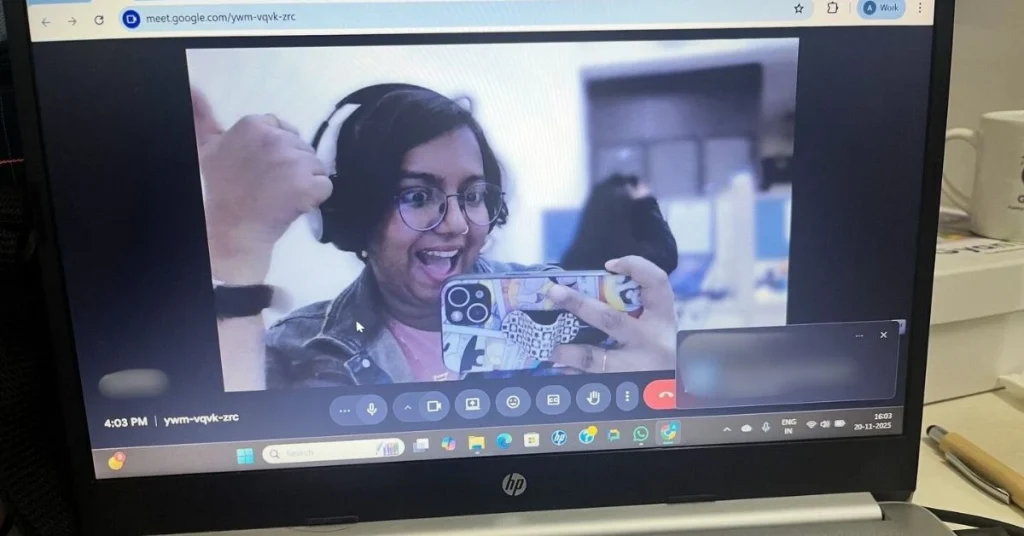
I interacted with people across the world and learned about things I would never encounter otherwise. But something was still missing. Digital third spaces did not give me the body-memory of real presence. I remember narrating a dream to an online friend who drew it beautifully, but I do not remember who that person is anymore.
Today, many of us have rooms of our own. Some even have aesthetic desks, scented candles, and the adult freedom to eat ice cream for breakfast. But our minds are not free inside these rooms. They are constantly interrupted, overstimulated, and pulled outward by digital noise.
That is why I think our generation is quietly craving something Woolf never had to articulate. A physical third space where we can exist without performing. A place where we can just be people.

So I listened to the thought. I went downstairs, walked through the market, bought hot chai on a moderately cold Delhi evening, and came back to my room.
This realisation did not come from an academic paper or a reel. It came from watching a girl in a Tamil film buy groceries by herself and look genuinely content. It came from noticing that I do not even know my neighbour auntie’s name, or her smart kid’s, because everything I need arrives in a brown paper bag.
Also read: What I Learned When I Started Cooking For Myself
I am not against convenience. It is essential. But maybe we need to fight intentionally for the small rituals that make life feel alive.
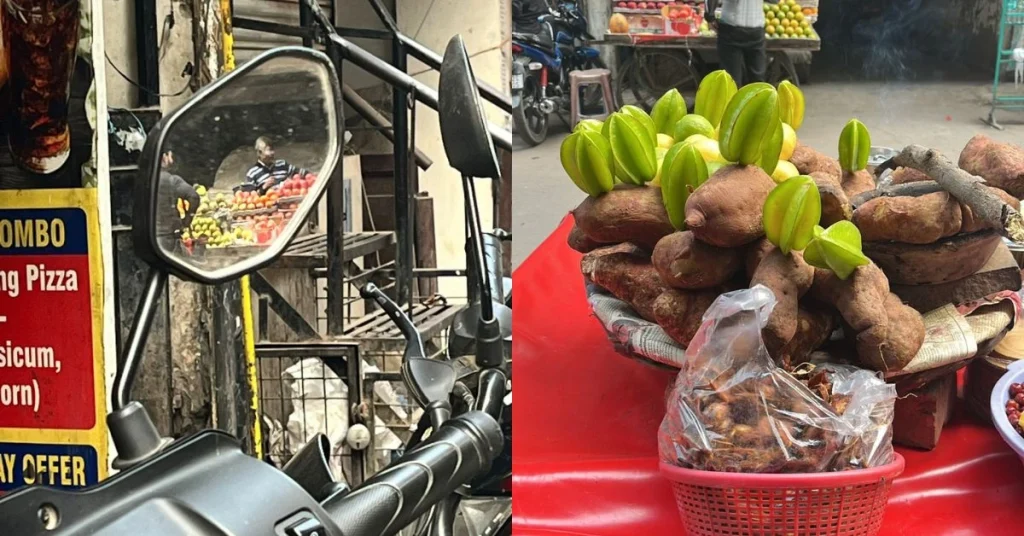
A third space does not have to be fancy or expensive. It just needs to be consistent, human, and somewhere you forget to check your phone.
In my early twenties, I realised that a room of one’s own helps you reclaim autonomy and create. In my mid-twenties, I am realising that a third space of one’s own reminds you that you are not alone.