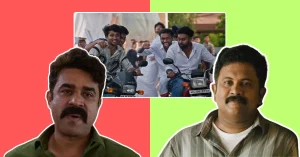
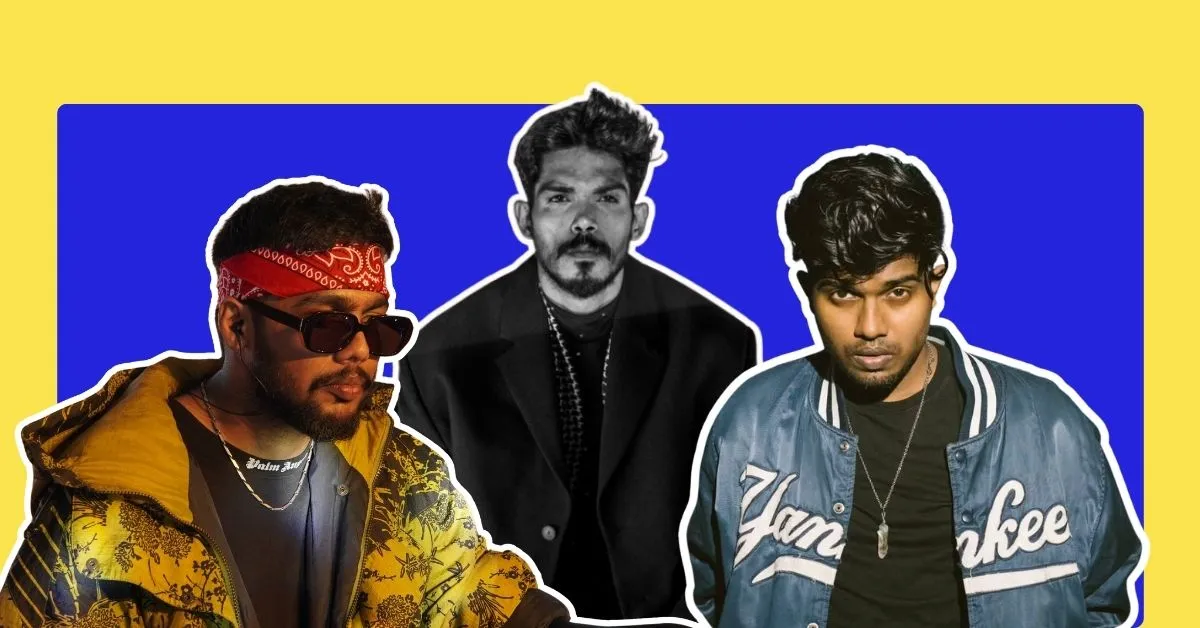
Two producers from Kerala’s hip-hop circuit, MHR and Simmo, have come forward with detailed allegations against Dabzee, accusing him of misusing their work, denying credit, and cutting them out of revenue tied to projects linked with the label Mass Appeal.
At the time of writing, these are allegations made by the artists, and the legal verdict on the matter is ongoing. However, the specifics shared in both statements have sparked conversations about ownership, contracts, and how independent artists are treated as the scene scales.
MHR & Wraith V: The “Manka” Dispute
According to MHR, the dispute began when Dabzee approached him to produce a new version of a track titled Malarkodi, which later became Manka.
MHR claims that his role went far beyond providing a beat. He states that he reworked the composition extensively, including the melody, drum arrangements, and overall structure, alongside collaborator Wraith V. Together, they allege they contributed nearly 80% of the production.
The conflict, according to MHR, began when Mass Appeal’s A&R team requested the full project stems. MHR says he declined to share these without a formal agreement and advance payment, also citing pending dues from previous work. He alleges that this led to a breakdown in communication, with Dabzee ending the collaboration and indicating that another producer would be brought in.
Despite being told the project would move forward without him, MHR claims that the eventual teaser and release of Manka featured the same melody and structure he had created. He alleges that the track was a near-identical recreation of his composition, and that parts of the intro may have been directly sampled from the demo he had previously shared.
In response, MHR and Wraith V released their own version of the track, titled Ottakam, in an effort to establish ownership. Following the release of Ottakam, MHR alleges that the track was taken down from Spotify due to copyright claims filed by Dabzee. He further claims that the track was later reinstated after he submitted evidence proving original creation to Spotify’s internal team.
MHR’s statement also raises concerns about earlier works, including tracks such as Kone and Chathiyan (originally Karayanum Parayanum), which he says were created three to four years ago under the Manushyar Collective, in which Dabzee was involved. According to MHR, Dabzee was initially brought in only as a featured artist on these tracks. However, he alleges that these works were later included in a commercial deal with Mass Appeal, reportedly valued at over ₹2.5 crore. He claims this was done without the consent, knowledge, or compensation of the original creators, resulting in a loss of rights, revenue share, and ownership. MHR states that he has received no royalties, no formal accounting, and no acknowledgement of his role as a primary composer, and that he is currently preparing for legal action.
SIMMO – 10 gully EP – “Oyicha Oyinja”, “Manushyan” and “Pulley” Dispute
In a separate statement, producer Simmo describes what he alleges is a long-term pattern of exploitation within the Manushyar Collective. Simmo claims that over several years, he faced copyright infringement, removal or absence of credits, and financial manipulation.
One of the key incidents highlighted by Simmo involves the track Oyicha Oyinja. He claims he was asked to take it down for “redistribution,” but later alleges that this was used to gain control over the track’s rights.
He also points to the 10 Gully EP, released through Mass Appeal, where he says he was not credited despite being the original producer of the track Manushyan. According to Simmo, it took weeks of follow-ups with management to have his credit acknowledged.
Simmo further alleges that while the project deal was worth crores, the collaborators involved in building the music did not receive any share of the revenue. He also claims that no NOC (No Objection Certificate) or permission was obtained from the original creators before redistributing the tracks.
After what he describes as years of unresolved conflict, Simmo states that he has now initiated legal action, including sending formal notices and filing DMCA complaints across streaming platforms. He claims that these actions resulted in the removal of disputed tracks from Spotify, as platforms responded to the absence of clear rights and permissions.
Simmo also alleges that attempts to resolve the matter privately were unsuccessful, citing:
- Multiple changes in management and legal representation
- Delays in finalising agreements
- A proposed settlement that was never formally signed
- A partial payment is being transferred without a signed agreement
Simmo claims that Dabzee and his team have repeatedly been unprofessional and disrespectful throughout the process, even attempting to downplay Simmo’s contribution to the composition of these songs.
“Dabzee and I were roommates, building music together as part of Manushyar. It was never about money back then; it was about the art and the brotherhood. That’s what makes what happened later harder to process. A dispute over credits pushed me away from music for almost a year, and when I returned, it was as a completely different artist – from Simhakutty to Simmo.”
NOTE:
Manushyar was a collective built on shared artistry, trust, and a sense of brotherhood. For most involved, it was a labour of love as much as it was a movement.
Which is why the current allegations feel less like a typical industry dispute and more like a breakdown of something personal. Because beyond contracts, agreements, and payouts, there was also an expectation, however informal, of accountability to the people you built with.
Didn’t Mass Appeal do Anything?
MHR states that the Mass Appeal A&R team was fully briefed on the ownership disputes and the lack of production stems for Manka. Despite being aware of the ongoing conflict and the absence of legal clearances, the label proceeded with the commercial release and monetisation of the contested works.
Where Things Stand
At present, legal processes are ongoing. Some tracks have been taken down or disputed, and no final legal judgment has been issued. Both MHR and Simmo have called for accountability, restoration of rights, and payment of royalties.
While the claims remain disputed, this situation has brought attention to a larger issue: are independent artists adequately protected when it comes to ownership, credit, and contracts?
Must Read: Inside the World of Hatsmyth, Kerala’s Fast-Rising Indie Musician